
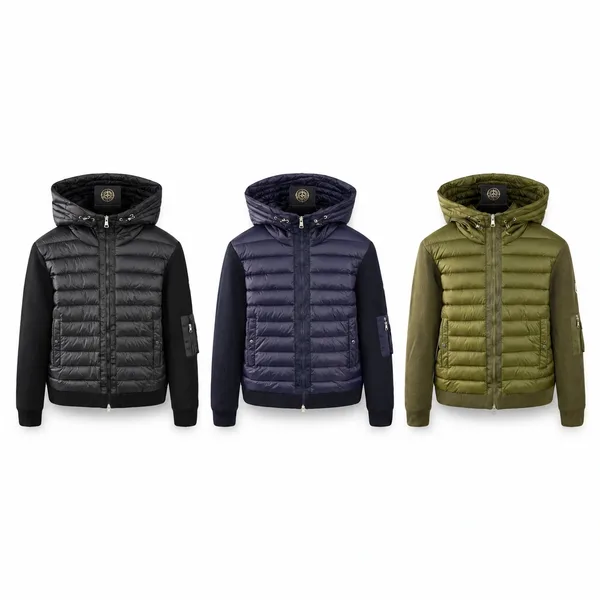
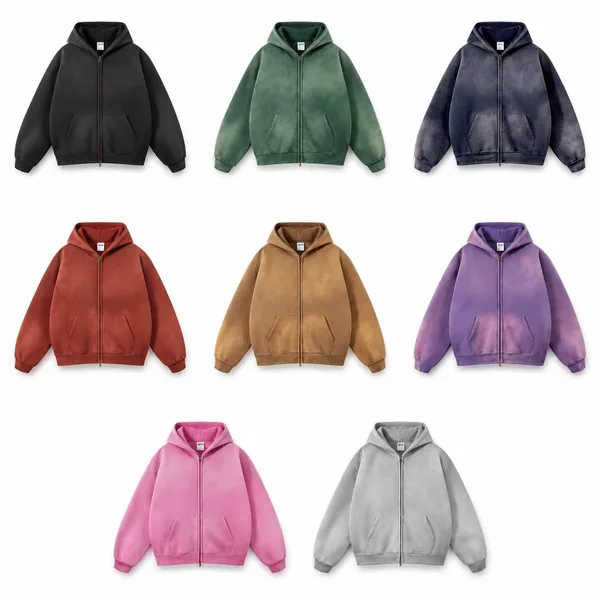
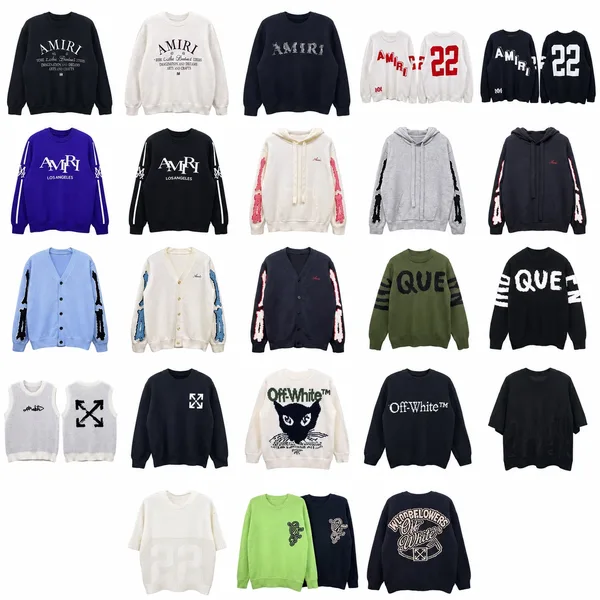
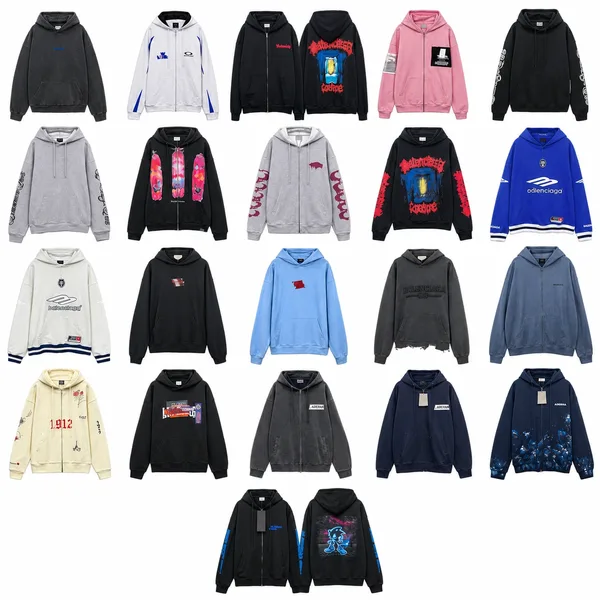
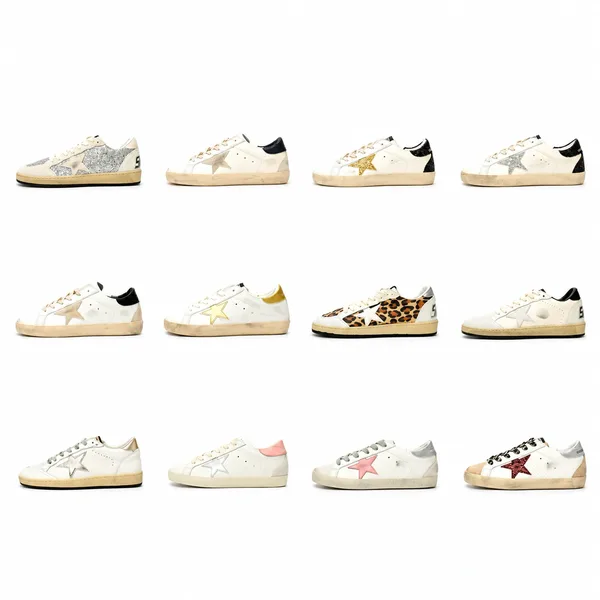
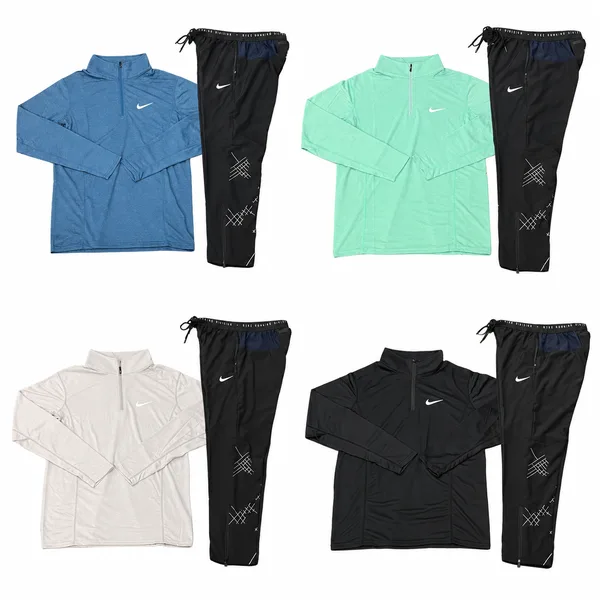
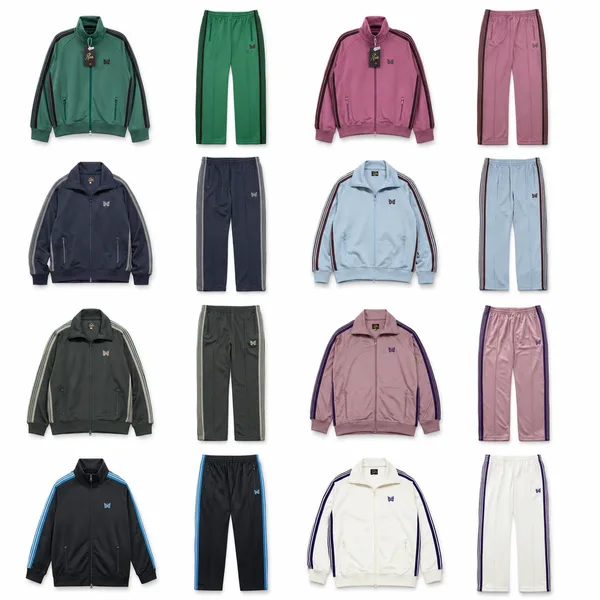
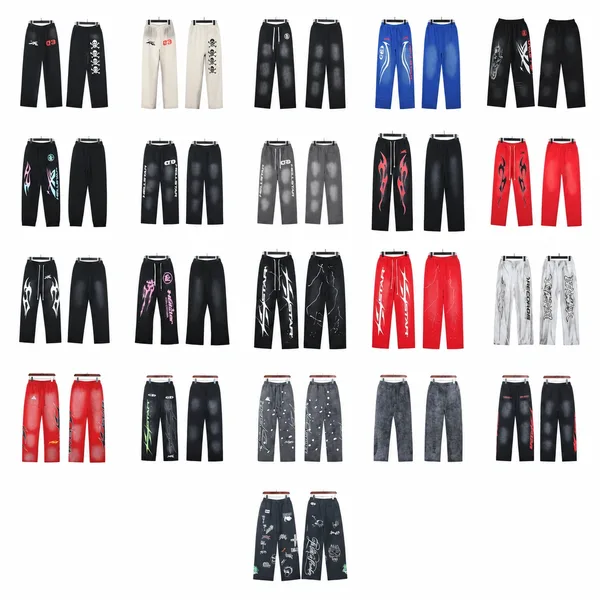
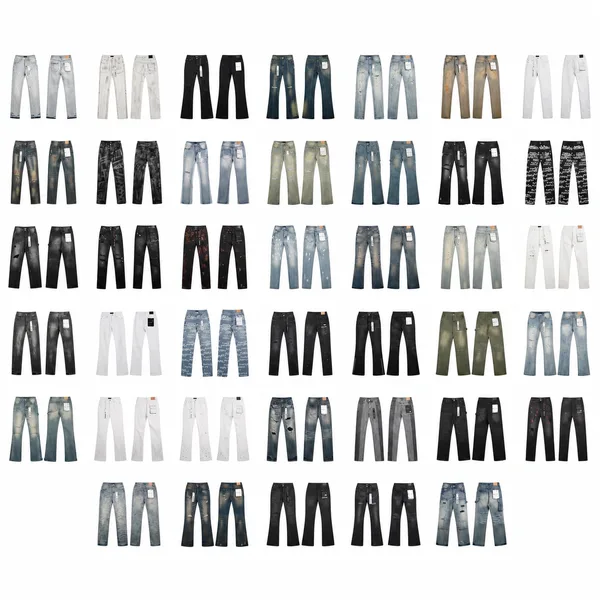
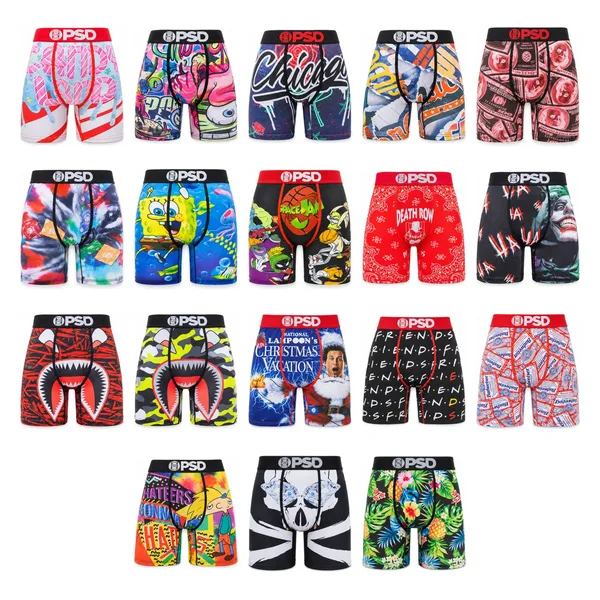
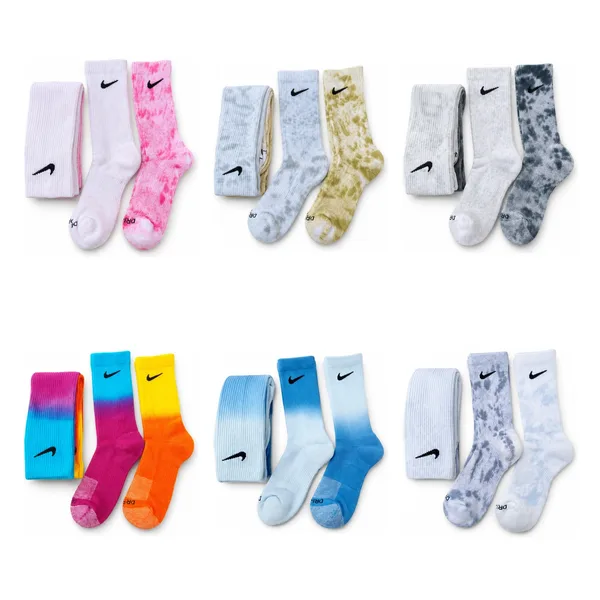
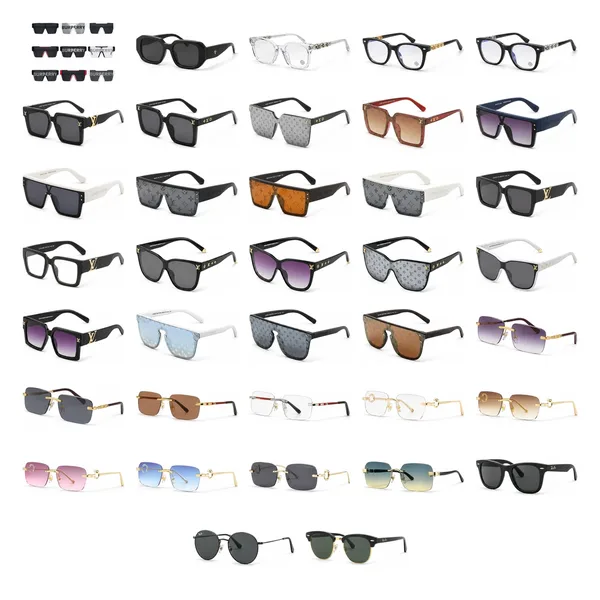
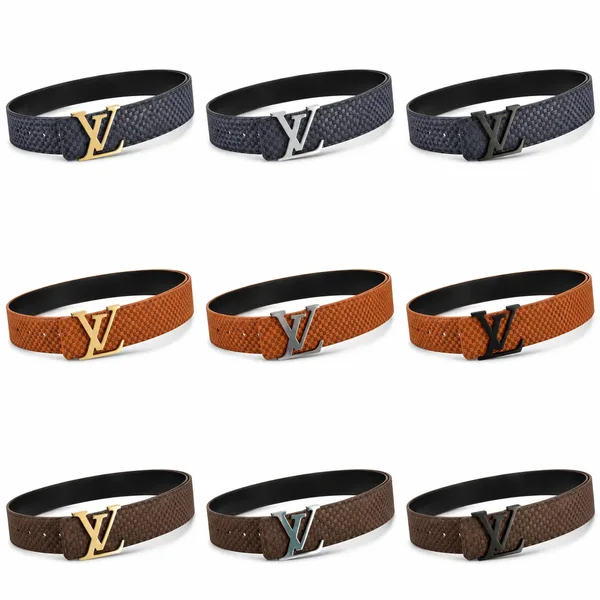
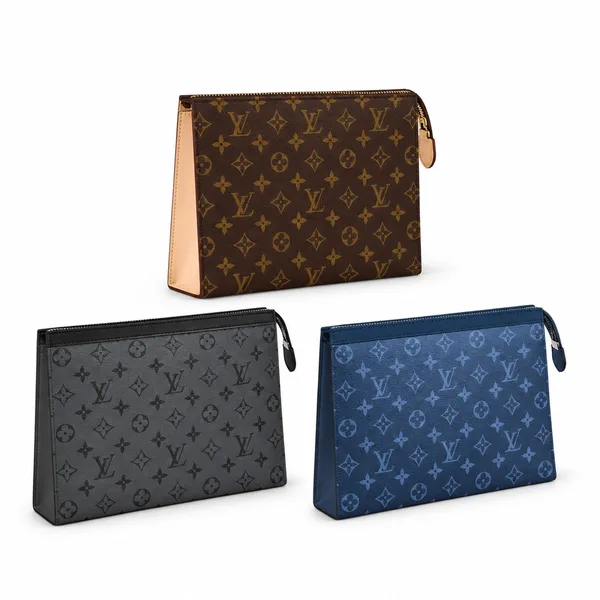
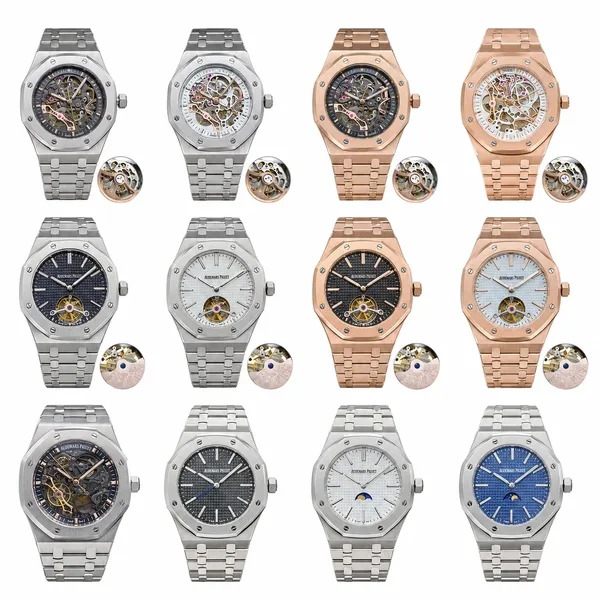
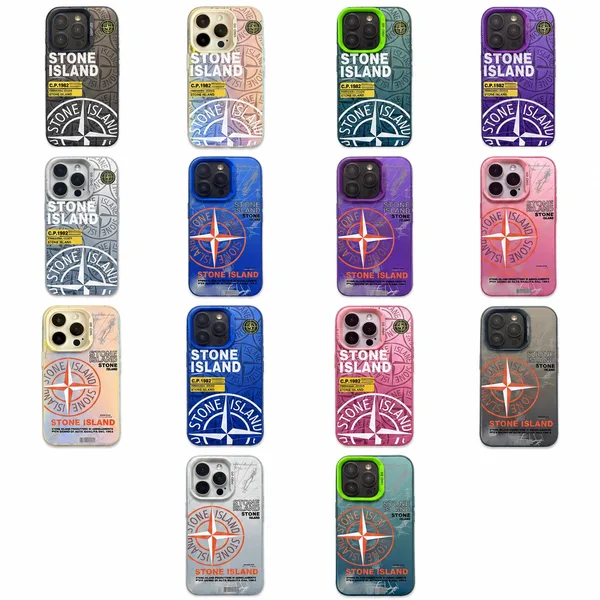
Find your next favourite in the Joyagoo spreadsheet. Browse by category, compare photos and prices, and open the item you choose in Joyagoo. Use the guides below to keep your shortlist, sizing checks and parcel plan together.
If you are starting from a broad idea, browse by category. If you already have a specific link, use the Joyagoo spreadsheet links guide. If you want the full buying sequence from shortlist to parcel, continue to the Joyagoo spreadsheet guide.
Build one row that can survive a second visit
A useful row should still make sense when you reopen it later.
| Field | Save this | Why |
|---|---|---|
| Product | exact destination and recognisable item name | avoids confusing a similar search result with the saved item |
| Option | colour, size, version, quantity and included pieces | separates the listing from the variant you mean to buy |
| Measurements | value, unit and what was measured | makes fit comparisons reproducible |
| Displayed amount | amount, currency and date checked | keeps a past display from becoming a “current price” claim |
| Image type | listing image, warehouse/QC image, parcel image, or delivered-item image | prevents one type of photo being used as evidence for another stage |
| Open question | the single unresolved detail that could change your decision | makes the next check purposeful |
If a field is unknown, leave it unknown. A complete-looking row with guessed values is less useful than a shorter row that shows the real uncertainty.
Use links as leads, not as guarantees
A working URL only proves that a destination can be reached at that moment. Recheck the final page, item identity and selected option. If an old link opens a different item, preserve the old reference in your notes and create a new row for the replacement instead of silently treating them as identical.
For link maintenance, see Joyagoo spreadsheet links. For older lists, use the archive guide.
Add fit and QC only when they answer a specific question
For clothing, compare measurements that describe the same thing. A body circumference and a laid-flat garment width are different measurements even when both are labelled “chest.” The size guide explains how to keep the object, endpoints and units consistent.
QC photos can help with visible details such as colour, labels, quantity and obvious visible damage. They cannot prove authenticity, long-term durability, hidden construction or how an item will fit your body. Use the QC photo guide before turning a photograph into a conclusion.
Keep purchase and shipping costs separate
A product amount is not the delivered total. Current Joyagoo guidance separates the item and domestic-delivery stage from international shipping, while optional services, payment-related charges and customs can also affect total cost. Use the shipping guide and shipping calculator guide once you have a real parcel plan.
The six core Joyagoo spreadsheet guides
Use these pages for different questions instead of repeating the same checklist everywhere:
- Best Joyagoo spreadsheet: how to compare lists and decide which one is actually useful.
- Joyagoo spreadsheet links: how to save, verify and replace product destinations.
- Joyagoo spreadsheet guide: the sequence from discovery to warehouse and parcel planning.
- Joyagoo spreadsheet review: how to evaluate the list, the product and the transaction separately.
- Joyagoo spreadsheet safe: link, account, payment, QC and shipping risk checks.
- Joyagoo spreadsheet 2026: how to treat a year label without assuming every row was rechecked that year.
Turn a favourite into a useful shortlist entry
Start with the role the item will have in your wardrobe. A jacket for layering needs room over the clothing you already wear; a small bag needs an opening and internal space that suit what you carry. Put that requirement beside the exact option, then compare it with the listing information. Keep an appealing picture as a candidate until the deciding detail is clear.
Frequently asked questions
Is a Joyagoo spreadsheet the same thing as Joyagoo itself?
No. A spreadsheet or product directory is a discovery resource. Account actions, orders, warehouse records, payments and parcel tracking belong to the actual service you use. Keep those stages separate.
Does a 2026 title mean every link was checked in 2026?
Not by itself. The date on a page or list does not establish the review date of every row. Reopen the few items you are considering and check them directly.
Should I save every product I like?
No. Keep a small active shortlist and move weak or duplicate candidates out of the decision set. A smaller list with clear options is usually easier to use than a large list with ambiguous rows.
Recheck the data that changes fastest
Prioritise:
- destination/product identity;
- available options and measurements;
- displayed amount/currency when you need a price comparison;
- QC or warehouse information tied to the actual item;
- shipping inputs for the parcel you plan to create.
Do not carry an old shipping quote or another user’s delivery time into a new order as if it were current.
Keep a dated shortlist
A small table is enough:
| Product | Variant | Checked date | Evidence you have | Open question |
|---|---|---|---|---|
| exact link | colour/size/version | date you opened it | current page/QC/measurement | one unresolved decision |
If a link changes, keep the old record and create a new candidate rather than silently rewriting history.
For the full workflow, continue to the Joyagoo spreadsheet guide, best Joyagoo spreadsheet and Joyagoo spreadsheet safe.
What changed for Joyagoo in 2026
A dated June 2, 2026 community update recorded the name change from JoyaBuy to JoyaGoo. That context matters because older discussions and saved links may use the earlier spelling, while current searches usually use Joyagoo. Treat both spellings as naming history and use the current catalog structure when looking for a product.
The product workflow itself is straightforward. Search the catalog, open the most relevant result, compare the main image with the available SKU images, read the option labels, and note the displayed CNY price. If a previously saved link no longer opens, search again by product name, brand or a distinguishing feature.
Compare the full product record
Open a promising card and inspect the product detail page. The main image gives the overall view, SKU images represent selectable versions, and detail images can reveal measurements, texture, labels or packaging. Read the option text alongside the images because similar thumbnails may represent different sizes or versions.
The displayed CNY price may be a single amount or a range. A range usually means that different SKUs carry different prices. Select the intended option before treating any number as the relevant product cost.
Save and revisit useful Joyagoo links
Save the product URL or item ID when you want to revisit a record. If the page later changes or disappears, search again with the shorter product title, the brand or the style.
Keeping a small shortlist makes comparison easier. Open two or three close products, compare their images and options, estimate the complete cost, and then choose the record that best matches the item you intended to find.